ANA
Discipline is not a choice when it is the only thing that still responds when everything else fails.
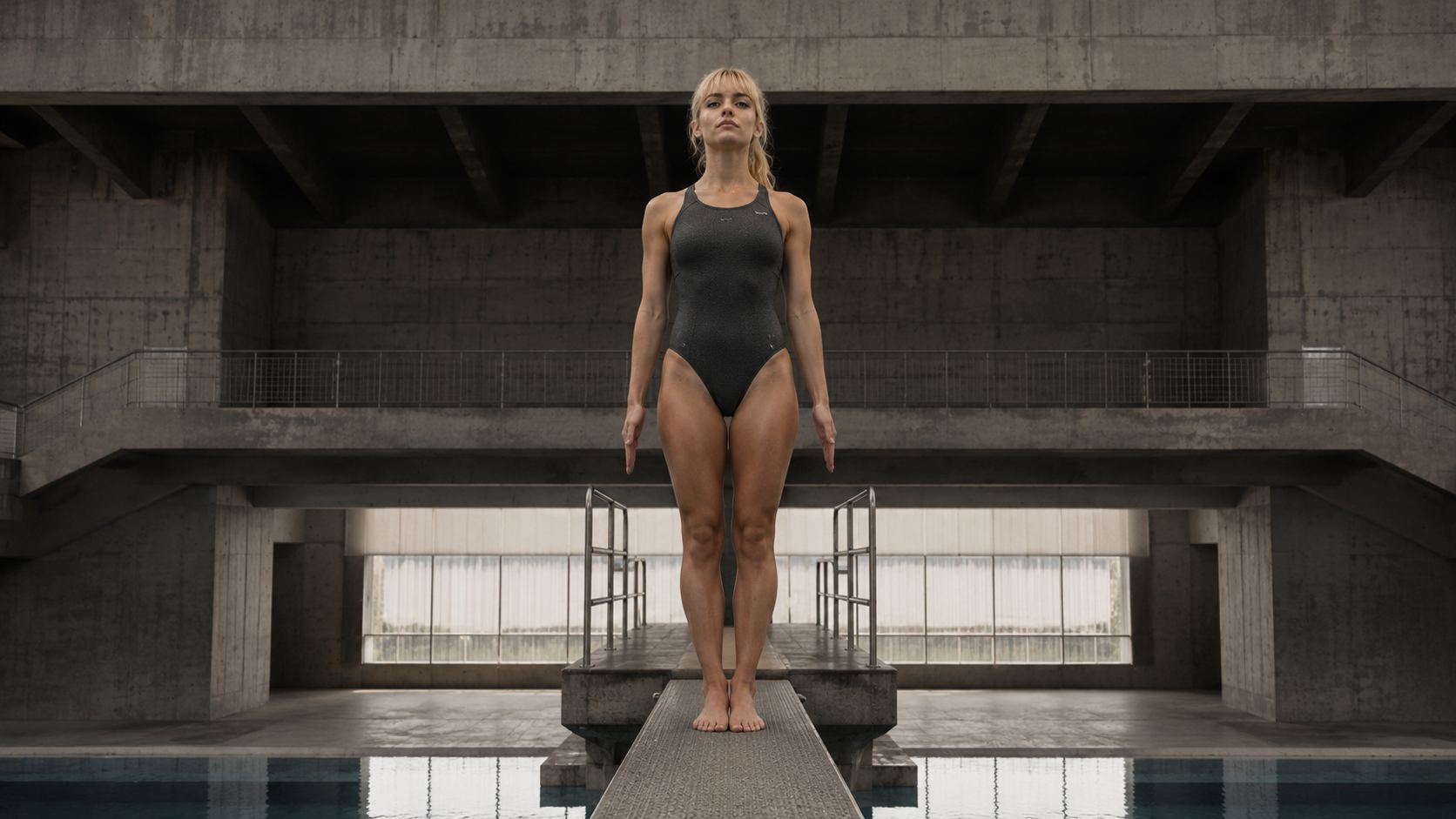
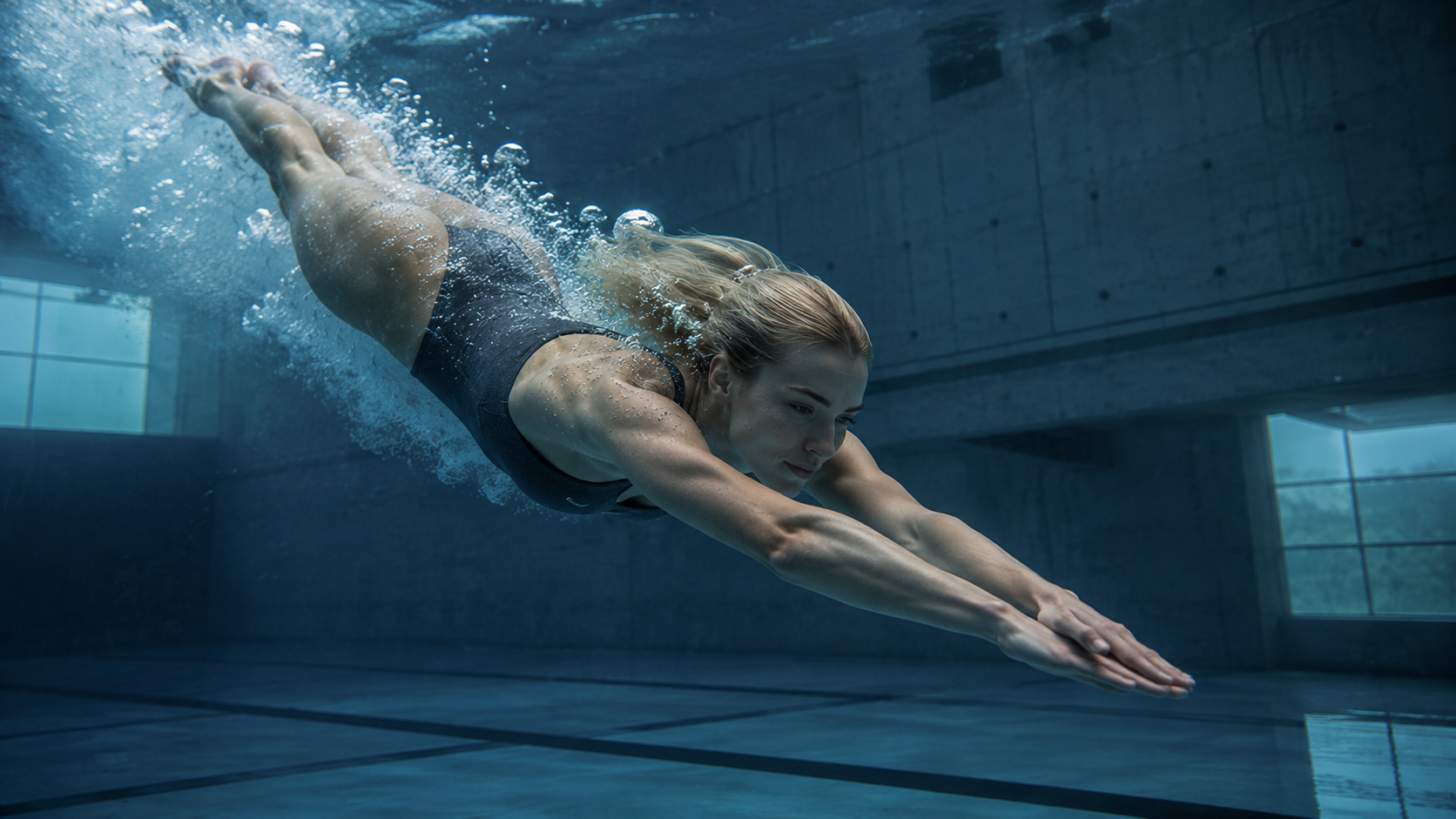
Ana is a platform diver — a body shaped by repetition, precision, and absolute control over every movement. In Ceres, this is more than just a sport: it is a function, a guaranteed place within the machinery, visible proof of usefulness. And Ana fulfills that role with a discipline that seems never to falter — at least on the outside.
She was Daime's partner before the Flagball accident that left him in a wheelchair. What separated them afterward was not a lack of love — it was the cold logic of function. Daime, feeling incapable of "fulfilling his role as a partner" within a system that measures worth through productive capacity, lets her go — not because he stopped feeling something for her, but because he hates himself too much to remain by her side while, in his own eyes, he is incomplete. Ana still has feelings for him. But in Ceres, love is never enough when the machinery demands something else.
What she finds afterward with Dru is not a substitute for affection — it is pleasure without feelings, exchanged almost like a commodity: lipstick, perfume, a moment of physical intimacy without any emotional demands. Ana does not love Dru. Their relationship is purely physical, a way to fill an emptiness without allowing herself to become vulnerable again. It is revealing that the only form of intimacy she allows herself after losing Daime to the logic of function is precisely the one that demands no function at all — just exchange, just the body, with no risk of disappointing someone or being cast aside again.
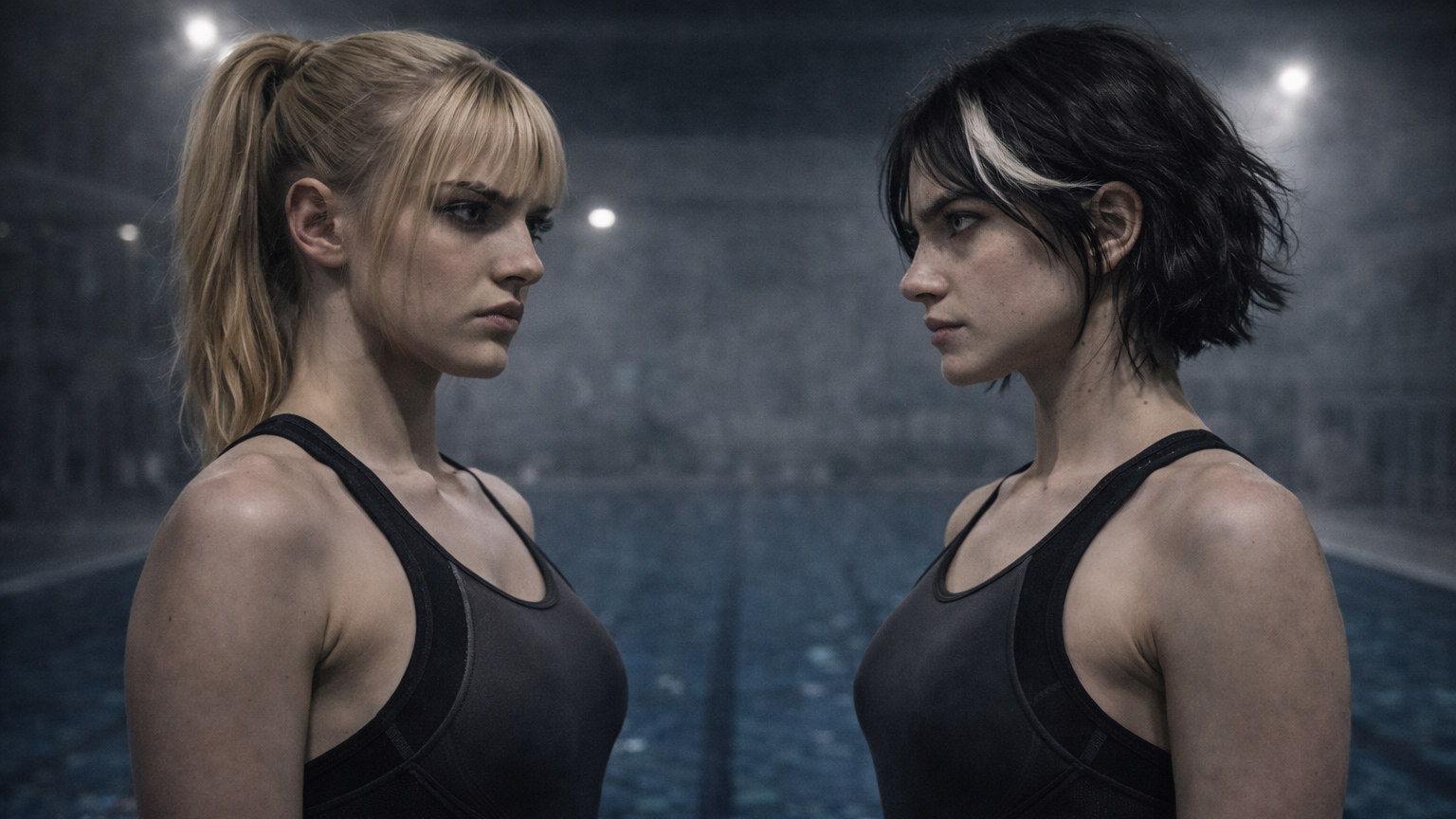
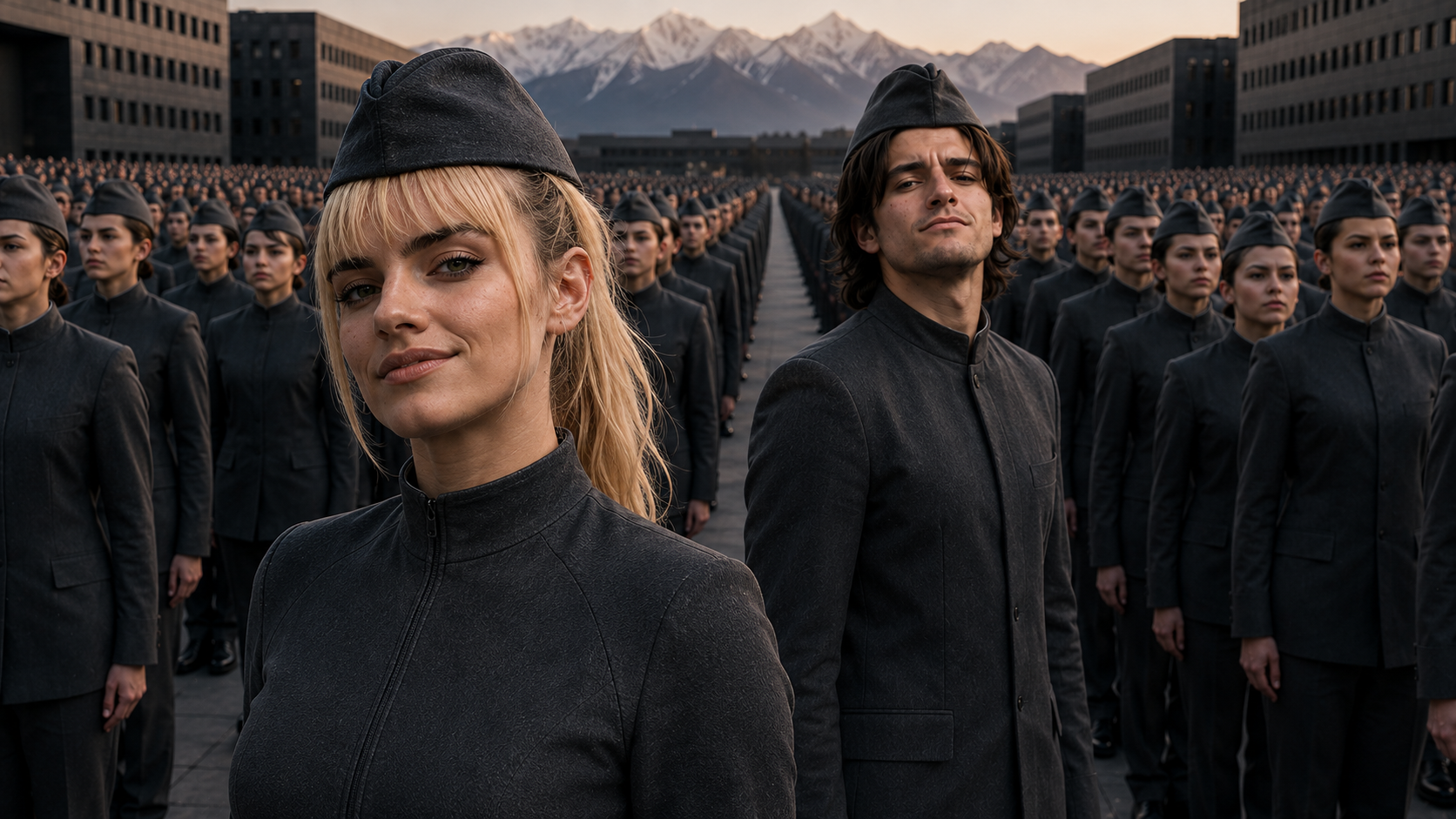
And then there is the Ceres Girl — rival, mirror, adversary. Both are elite athletes, competing not only for medals or positions, but for symbolic leadership among thousands of military schools scattered throughout Ceres. It is a silent, psychological war, fought in pools and on platforms, where every dive is also an act of dominance. Ana may be the only person in the story who understands, through her own body, what it means to compete for emotional survival through performance — the same logic that drives the Ceres Girl in her search for belonging, only here it is applied to a different wound: needing to win to prove she is still worth something after being rejected by someone she loved because she could no longer serve a purpose in his life.
Ana is perhaps the quietest portrait of how Ceres transforms loss into performance: she does not cry for Daime in public, does not beg, does not allow herself any visible weakness. She dives. Again. And again. Every perfect dive is, at the same time, genuine discipline and grief disguised as excellence.
Video - Ana: Lead ChampionsRead the first three chapters for free