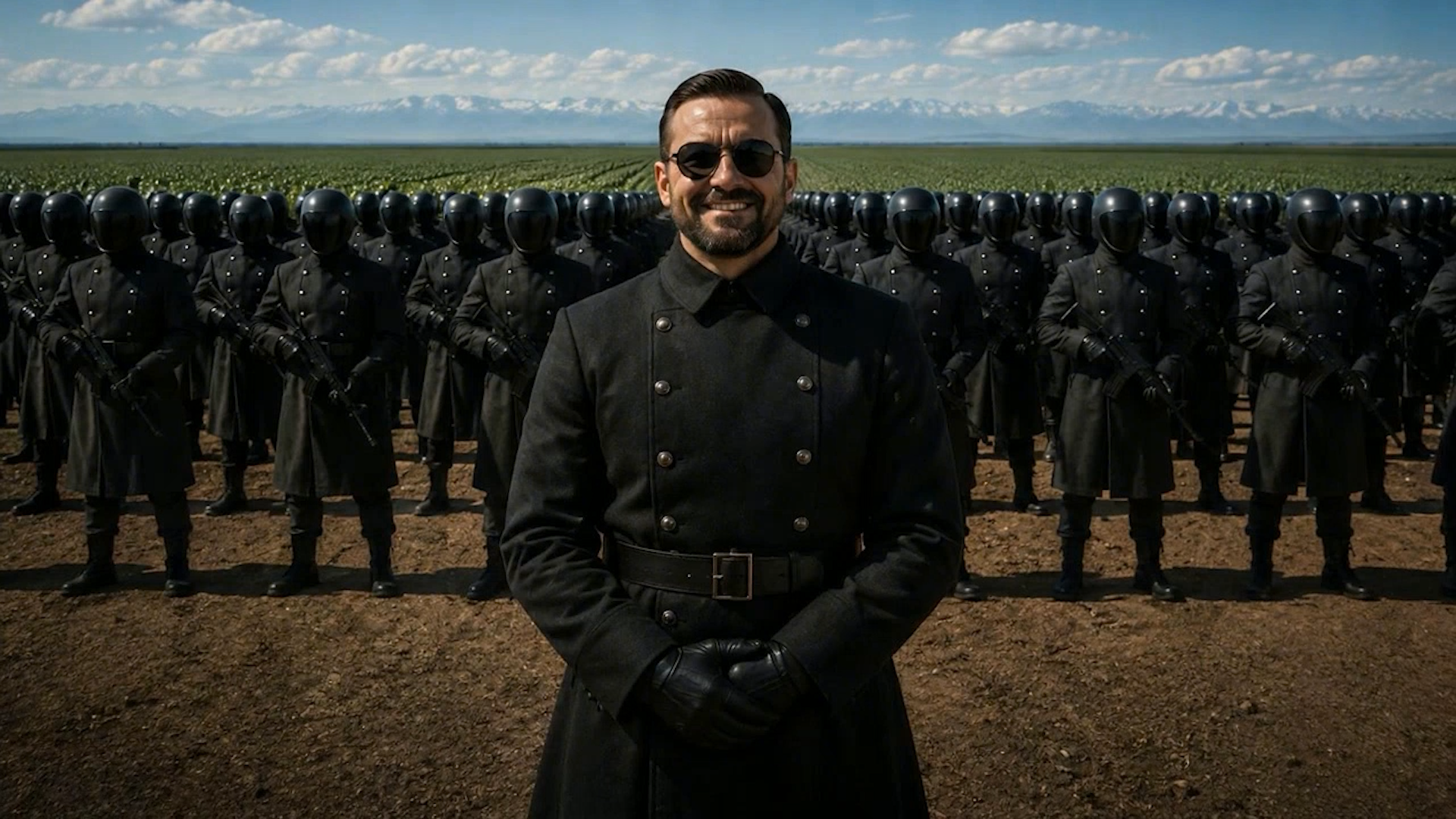
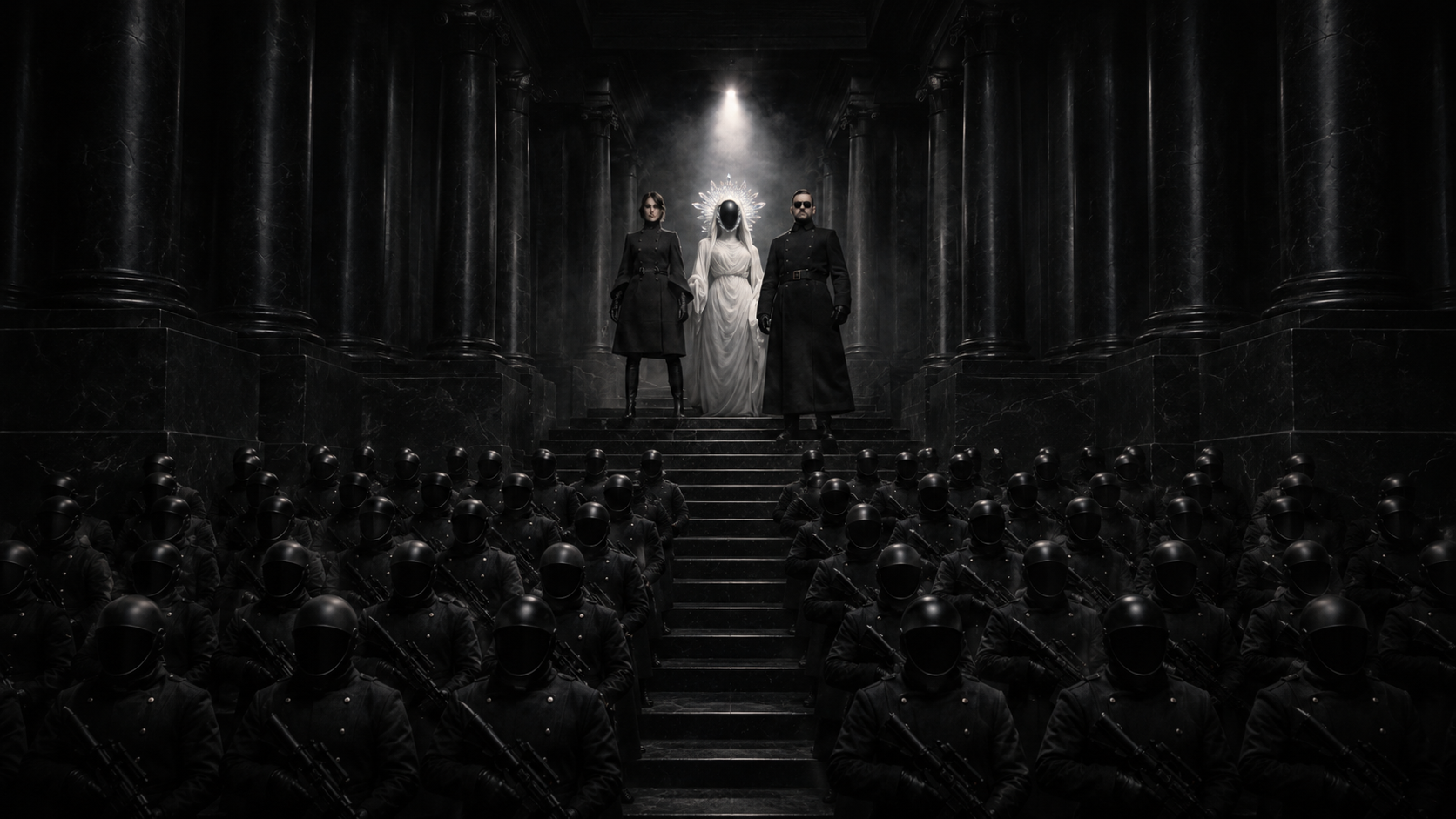
AMÓS - DIPLOMAT
Amós is not a politician, nor even an official of Ceres; he is Ceres.
Amós used to say that there are three types of dictators: the savage, the domesticated, and those who have not realized they have become one.
The savage are easy to recognize. They rule through fear, force, and violence. The domesticated are more dangerous. They don't need armies. They thrive on flattery, reward those who agree with them, and turn institutions into extensions of their own egos. Before long, no one works for the sake of the job anymore. Everyone works to please someone.
In Ceres, this is considered one of the gravest forms of corruption. Because a function cannot be flattered. A harvest does not grow because of praise. A bridge does not stand because of friendship. A hospital does not operate through personal politics. Either the function is fulfilled, or it is not.
That is why a person's worth is not measured by whom they know, but by the importance of their contribution to society. When flattery replaces competence, society begins to rot. When function takes the place of flattery, purpose returns.
Perhaps that is why Ceres never believed that peace is born of virtue. Peoples disagree. Religions disagree. Ideologies disagree. But they still need to eat, build, trade, and survive. Trade does not eliminate conflict, but it creates mutual dependence. And when two peoples depend on each other to continue existing, war ceases to be a simple solution.
During a visit abroad, Amós arrives at Paraíso Station. He encounters beggars, demonstrations, freedom written on signs, and hope painted on walls. Sitting in a café, he stirs his coffee. On the spoon, an inscription:
"Made in Ceres."
He smiles.
Not all peace is born of kindness.
Sometimes it is born of necessity.
Sometimes it is born of dependence.
Sometimes it is born by accident.
"Trade is the path to accidental peace."
Video - AMÓS — THE MAN OF LEADRead the first three chapters for free